
A barre class is a low‑impact, ballet‑inspired workout that combines small isometric holds at a barre with pulsing movements https://la-pilatesstudio.com/, core work, light weights, and mobility exercises. It emphasizes posture, muscular endurance, and joint-friendly strength rather than heavy loading or high impact. Classes often include mat sequences and cooldowns, and participants scale intensity with modifications. Barre suits beginners, dancers, and those seeking graceful functional fitness; more details and practical tips follow.
What a Barre Class Looks Like
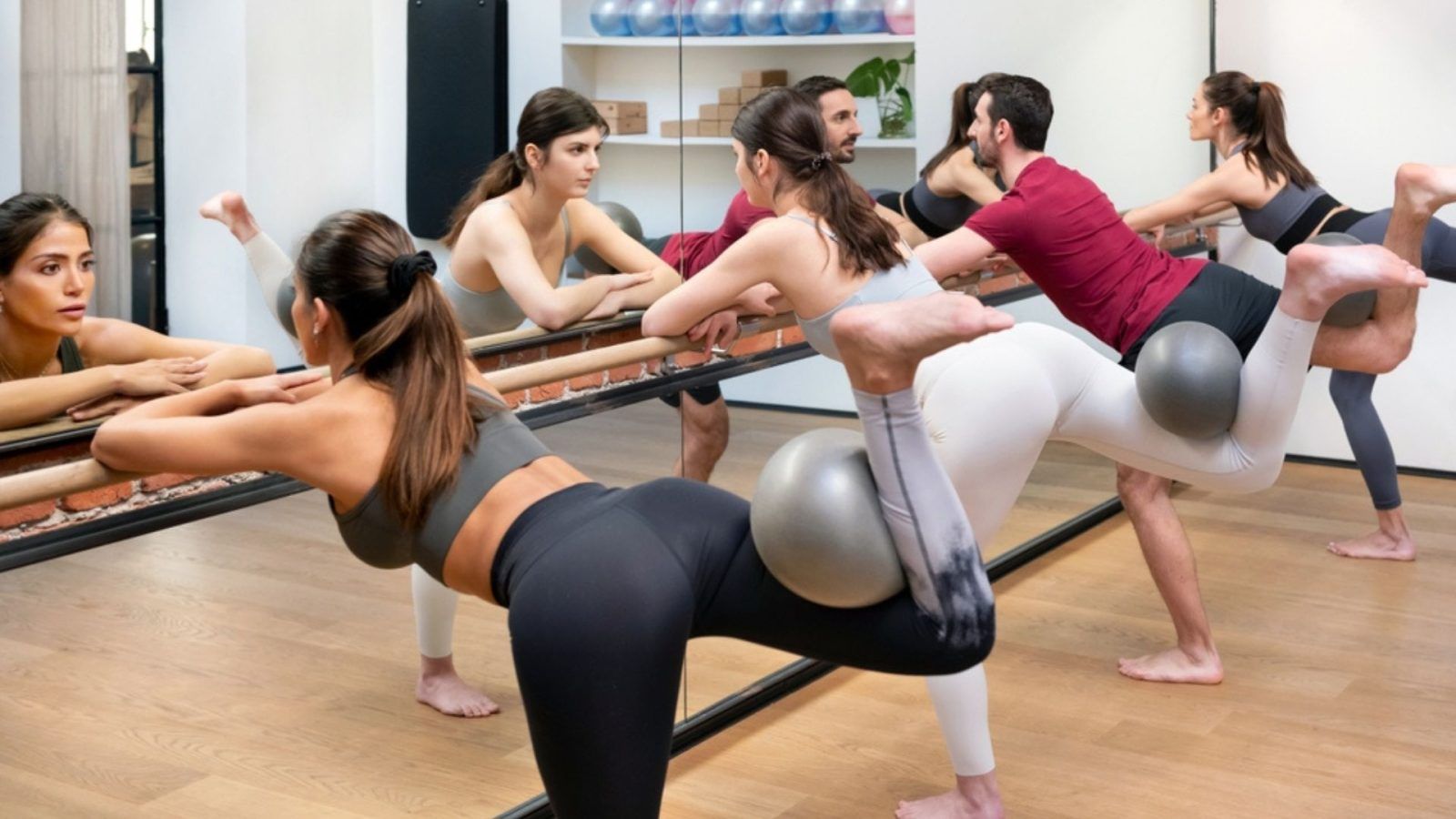
What does a typical barre class look like? A practitioner enters a bright, open studio where a ballet barre anchors a mix of mats, light weights, and resistance bands barre class KL. The instructor guides a concise warm-up, then sequences brief isometric holds, small pulses, and controlled stretches at the barre.
Attention shifts periodically to mat work for core activation and floor stretches. Music sets tempo but participants choose intensity, modifying moves for comfort and range.
Progressions are efficient; emphasis remains on alignment, breath, and steady micro-movements that sculpt endurance rather than heavy loading. Classes conclude with a short cooldown and mobility work.
The environment supports autonomy: participants move at their own pace within a structured, focused framework.
Who Benefits From Barre (And Who Should Be Cautious)
Although barre’s low-impact, isometric approach suits many fitness levels, certain populations gain particular advantage while others should proceed with caution. Enthusiasts seeking mobility, core stability, and graceful strength—returning from low-risk injury, older adults aiming to preserve balance, and those bored by high-impact routines—often find barre liberating and sustainable.
Dancers and athletes appreciate targeted muscle endurance and posture work that complements other training. Conversely, individuals with uncontrolled hypertension, recent major surgery, severe osteoporosis, or pregnancy complications should consult healthcare providers before participating.
Newcomers with joint pain benefit from modified instruction to avoid strain. Instructors’ cues and class pacing determine safety; studios that offer adaptable options enable participants to exercise choice, stay empowered, and respect personal limits.
Common Barre Exercises and What They Train
How do typical barre movements map to functional gains across the body? Small, controlled pulses at the barre build muscular endurance in hips, glutes, and thighs, aiding walking, climbing, and balance.
Isometric holds and core-focused sequences reinforce spinal stability and posture, supporting freedom of movement without strain.
Arm work with light weights sharpens shoulder control and daily reachability.
Calf raises and foot articulation improve ankle mobility and propulsion, useful for running or dancing.
Combined full-body flows enhance neuromuscular coordination, promoting graceful, efficient motion.
Breath-integrated pacing cultivates stamina and resilience.
Each exercise emphasizes low-impact strength, joint-friendly alignment, and transferable control, enabling participants to move more freely and reliably in varied everyday and recreational activities.
How to Modify Barre Moves & Avoid Beginner Mistakes
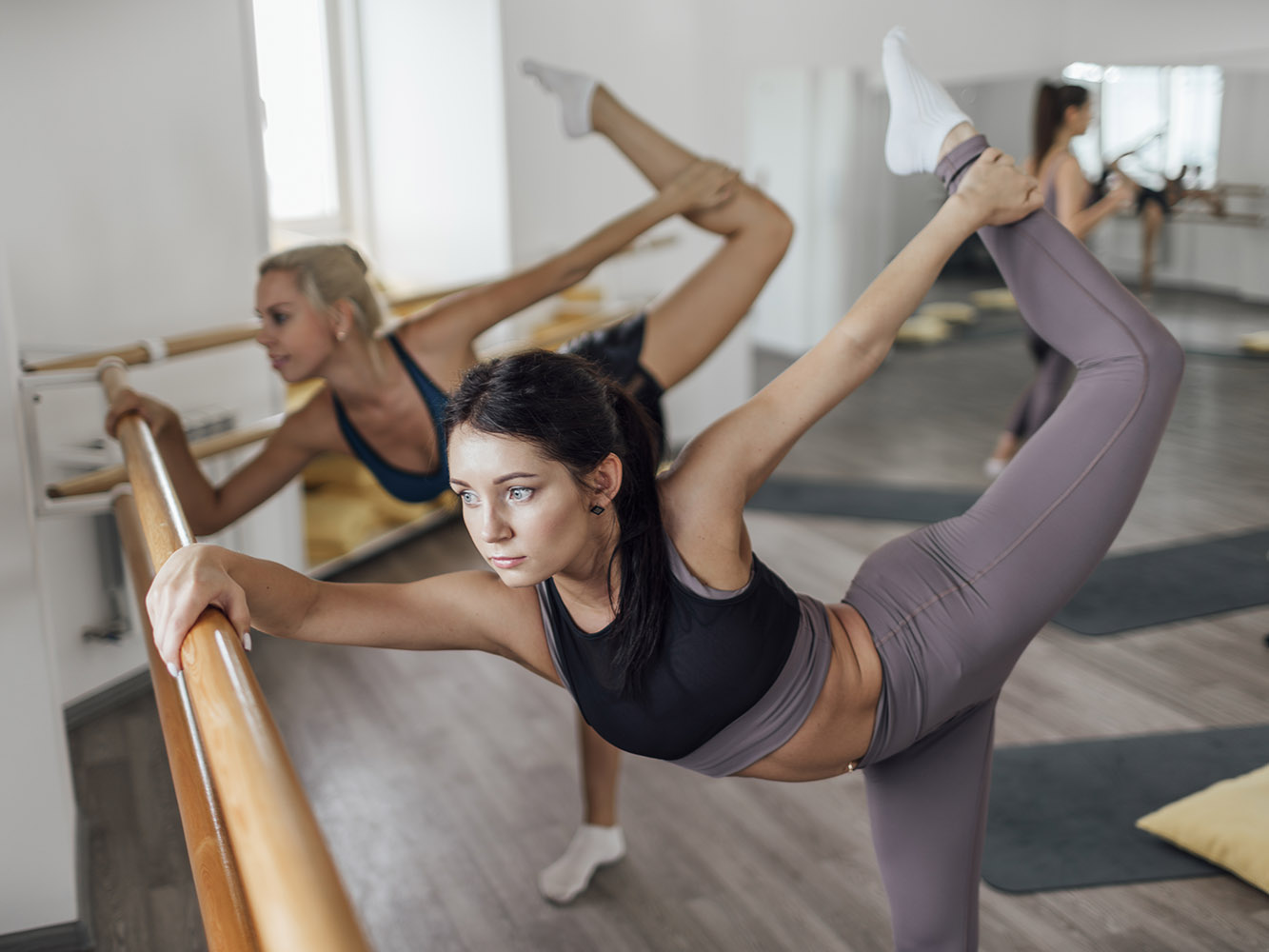
When beginners adapt barre moves thoughtfully, they reduce injury risk and accelerate progress by matching intensity and alignment to current strength and mobility. Modifications include reducing range of motion, lowering pulse counts, using a chair instead of the barre, and performing balance work beside a wall.
Prioritizing spinal neutrality and knee alignment over flashy depth preserves long-term freedom to move. Rest and incremental loading replace the urge to push every rep to fatigue; progressions add repetitions, range, or resistance only when form is consistent.
Avoid common mistakes: holding breath, collapsing hips, and forcing turnout. Listening to pain signals distinguishes discomfort from harm.
Clear cues and self-awareness allow learners to tailor classes, build confidence, and sustain a liberated, injury-free practice.
What to Wear, Bring, and Set Up for Barre at Home
For a safe and effective home barre session, participants are advised to wear grippy socks to maintain traction and stability.
Lightweight props such as resistance bands and small hand weights can enhance strength and range-of-motion work.
A cleared area free of furniture and tripping hazards guarantees enough space for controlled movement.
Wear Grippy Socks
Although not strictly required, grippy socks considerably improve stability and foot alignment during barre movements, reducing slipping on hardwood or studio floors. They allow precise weight shifts and small adjustments without the constraint of full shoes, promoting a sense of freedom in progressions and extensions.
Choose socks with silicone patterns on the sole for reliable traction and thin, breathable fabric for tactile feedback from the floor. Guarantee a snug fit to prevent bunching or blisters; check for reinforced toes and heels if used frequently.
For home practice, keep a clean pair reserved for barre to protect flooring and prolong grip. When deciding, prioritize comfort, unobstructed movement, and a secure connection to the ground to support confident, liberated practice.
Bring Lightweight Props
Because small, portable items can deepen engagement without crowding a home practice, bringing lightweight props lets a practitioner add resistance, support, or sensory cues to barre routines. Favorites include 1–3-pound dumbbells for arm toning, ankle weights for subtle lower-body challenge, and a compact resistance band to vary intensity without bulky equipment.
A folded towel or small Pilates ball offers tactile feedback for core and inner-thigh work, while a non-slip yoga mat underfoot anchors balance during standing sequences. Choices prioritize portability and versatility so movement remains unfettered: select items that are easy to store, quick to swap mid-session, and compatible with bodyweight flow.
Thoughtful, minimal props expand options while preserving a sense of freedom in at-home barre.
Clear Small Workout Space
Where should a practitioner position themselves to make the most of a compact barre session? A clear corner near a wall or sturdy chair often suffices; freedom to move, breathe, and pivot is key. Comfortable, form-fitting clothing and grip socks or bare feet keep motion fluid without excess bulk. Limit gear to essentials: a small mat, light resistance band, and towel. Arrange items so progression require minimal steps.
- Choose a wall-adjacent spot with 3–4 feet clearance.
- Wear flexible, nonrestrictive attire and grippy footwear.
- Place mat, band, and towel within arm’s reach.
- Remove hazards: clutter, cords, and slippery rugs.
This setup prioritizes efficient movement, personal space, and confidence to flow freely through each exercise.
How to Choose the Right Studio or Online Barre Class (What to Look For)
When choosing a studio or online barre class, attention to instructor credentials helps guarantee safe, effective guidance and appropriate modifications.
Prospective students should also compare class format options—live versus on-demand, class length, and level—to match schedules and learning preferences.
Evaluating both factors together clarifies which offering best supports individual goals.
Instructor Credentials
How should potential students evaluate instructor credentials before committing to a studio or online barre class? A clear-eyed review focuses on training, experience, and teaching approach to ensure both safety and autonomy.
Credentials signal competence but should align with personal values of movement freedom and choice.
- Formal certifications: reputable barre or Pilates credentials, anatomy coursework, CPR/first aid.
- Teaching experience: years of instruction, diversity of student populations, class progression examples.
- Continuing education: workshops, cross-training (yoga, dance, physical therapy) showing commitment to growth.
- Teaching philosophy and reviews: emphasis on modifications, client empowerment, and transparent feedback from students.
Prioritize instructors who balance technical knowledge with encouragement of individual expression and safe self-guided progress.
Class Format Options
After evaluating instructor credentials, potential students should compare class formats to match learning style, schedule, and goals. Options include in-person studio sessions, live virtual classes, and pre-recorded on-demand workouts.
Studios offer hands-on adjustments, community energy, and fixed schedules for those who prefer structure. Live virtual classes provide real-time feedback and the convenience of home practice without commuting.
On-demand libraries enable maximum flexibility, letting learners progress at their own pace and select class length or focus—strength, flexibility, or cardio—when it suits them.
Hybrid memberships combine benefits.
Consider class size, equipment requirements, trial policies, and cancellation terms. Choosing a format that supports autonomy while aligning with commitment level guarantees sustainable practice and preserves the freedom to adapt over time.
Conclusion
Barre classes blend ballet-inspired movements, strength training, and low-impact cardio to improve posture, flexibility, and muscular endurance. Suitable for many fitness levels, they require caution for those with specific joint or balance issues. Modifications and proper form diminish injury risk, while simple gear—comfortable clothes, a mat, and optional resistance bands—supports practice. Choosing qualified instructors and appropriate class formats guarantees safe, effective progress, whether attending a studio or following online sessions at home.