
Check for droppings, grease rub marks, and dusk activity to find entry points, then seal gaps larger than 1/4″ with stainless mesh, silicone sealant, and corrosion‑resistant fasteners. Use one‑way exclusion devices at active openings after confirming no pups, monitor nightly for 3–7 days, then permanently patch and replace flashing. Reduce insect attraction by trimming vegetation bat pest control, changing exterior lights, and removing standing water. If problems persist, professional exclusion and cleanup may be required—keep going to learn practical next steps.
Recognizing Signs of Bat Presence
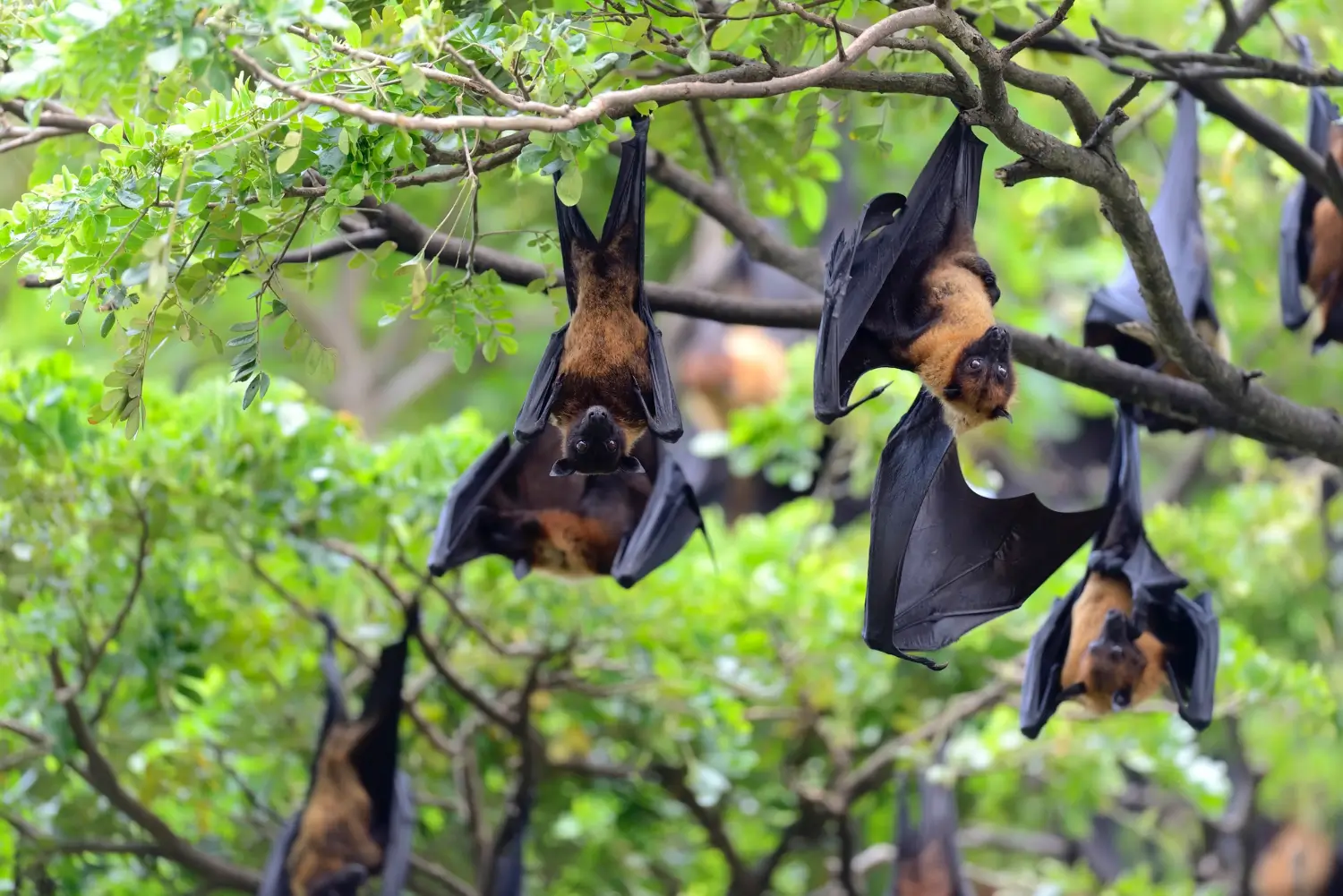
If you suspect bats in your house, start by scanning common entry points and looking for clear physical signs: droppings (small, dark, crumbly guano often under a roosting site), greasy rub marks where fur brushes against wood or siding, and staining or urine odors in attics or eaves igreenasia. Next, use simple observations: check dusk and dawn for silhouettes exiting or entering gaps around soffits, vents, or rooflines. Listen for high-pitched echolocation calls with a bat detector or smartphone app to corroborate visual signs. Photograph guano accumulations and rub marks for documentation. Avoid speculation: note timing, location, and quantity of signs to assess infestation scale. That data helps you choose targeted, innovative exclusion or professional mitigation strategies.
Sealing Entry Points Safely and Effectively
You’ve already identified where bats are getting in by cataloging guano, rub marks, and flight paths; now it’s time to close those gaps carefully so you don’t trap animals inside or damage the structure. First, inspect vents, soffits, and eaves during daylight and at dusk to confirm active entry points. Use durable materials—stainless steel mesh, hardware cloth, and silicone-based sealants—to cover holes larger than 1/4 inch, while leaving confirmed inactive openings temporarily accessible until exclusion is appropriate. Check rooflines and seal flashing around chimneys and roofing penetrations; improper flashing repairs cause leaks and new gaps. Fasten patches with corrosion-resistant screws and back small gaps with closed-cell foam before sealing. Document repairs with photos and a timeline so you can evaluate effectiveness and innovate on future maintenance.
Humane Exclusion Methods to Evict Bats
Begin exclusion only after dusk surveys confirm active entry points and no young are present, because humane methods rely on allowing adults to leave but not re-enter. You’ll install one-way exclusion devices over confirmed gaps—purpose-built tubes or mesh funnels secured with bat proofing materials—to let bats exit but prevent return. Monitor nightly for 3–7 days; if activity persists, check for missed openings. Time interventions by regional seasonal eviction timing to avoid maternity and hibernation periods; consult local wildlife guidance. After exclusions succeed, permanently seal gaps with durable materials and finish with rot-proof flashing. Keep detailed records of device placement and nightly counts so you can refine techniques. If complications arise, engage licensed wildlife professionals trained in evidence-based exclusion protocols.
Deterrents and Habitat Modifications That Work
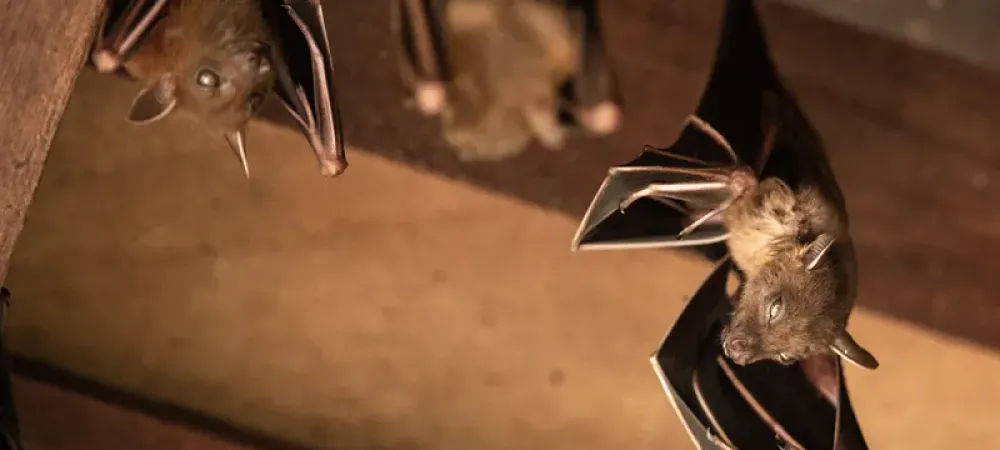
When you want to reduce bat attraction without exclusion work, focus on proven deterrents and habitat changes that make your property less inviting: eliminate standing water and insect-attracting lights near entry points, trim tree limbs and vegetation away from roofs so bats have less roosting cover and approach space, and seal off attic vents and soffits with bat‑proof materials once seasonal timing allows. Next, deploy targeted strategies: switch exterior lights to yellow or LED wavelengths that attract fewer insects; remove cluttered eaves and porch storage. Consider ultrasonic repellers as a complementary tool—evidence is mixed, so use them alongside habitat fixes rather than alone. Test scent deterrents (ammonia, predator urine alternatives) cautiously and rotate approaches. Monitor, document results, and adapt based on observed bat activity.
When to Call a Professional Wildlife Remover
If bats are repeatedly entering living spaces, producing obvious guano or urine odors, or you’re finding pups in your attic during maternity season, call a professional wildlife remover—these situations pose health risks and legal/timing complications that require trained handling. You should also hire pros if you lack safe access, if exclusion would risk structural damage, or if rabies exposure is suspected. Professionals assess colony size, test for guano-related pathogens, and design exclusion timed around seasonal migrations and maternity cycles to avoid harming young. They’ll follow legal regulations, secure permits, and use evidence-based exclusion and decontamination methods. Choosing certified, insured removalists with documented protocols minimizes liability and promotes innovative, durable solutions—so you can restore safe, bat-free spaces without trial-and-error.